

When selecting slippers, most people focus on appearance or upper materials. However, the sole plays a much bigger role in determining comfort, durability, and safety.
Manufacturers use different sole materials based on product positioning, target markets, and production costs. Below are six of the most widely used options.
EVA: Lightweight and Comfortable
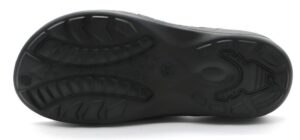
EVA has become the preferred material for modern slippers because it offers an excellent balance between comfort and affordability.
Its lightweight structure reduces foot fatigue, while the soft cushioning provides a pleasant walking experience. EVA is also waterproof, making it a popular choice for bathroom and beach slippers.
PVC: An Economical Solution
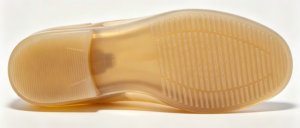
PVC is commonly found in entry-level slippers and promotional products.
It offers reliable durability and water resistance at a relatively low manufacturing cost. Although PVC is less flexible than EVA, it remains an attractive option for large-volume wholesale orders.
TPR: Better Grip for Everyday Safety
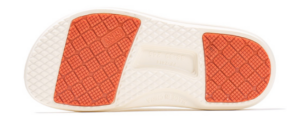
TPR is valued for its excellent anti-slip performance.
Because it combines the elasticity of rubber with the convenience of thermoplastic processing, TPR soles provide strong traction on smooth indoor surfaces while maintaining good flexibility.
Many premium indoor slippers use TPR to improve safety and comfort.
Rubber: Maximum Durability
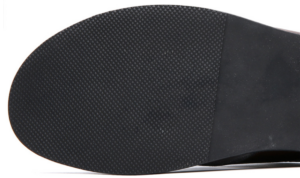
Natural and synthetic rubber are ideal for slippers designed for outdoor use.
Rubber soles resist wear exceptionally well and provide superior grip on wet surfaces. Although heavier than EVA, they are often chosen for long-lasting products that require reliable performance.
PU: Premium Comfort
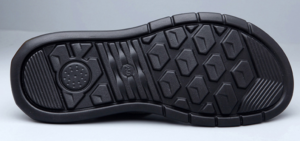
Polyurethane soles are frequently used in higher-end footwear.
PU delivers excellent shock absorption and maintains its shape over time. These characteristics make it suitable for orthopedic slippers and products intended for prolonged daily wear.
Cork: A Sustainable Alternative
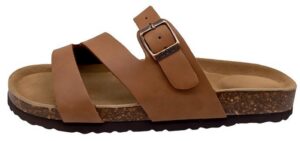
As sustainability becomes increasingly important, cork has gained attention in the footwear industry.
Cork is renewable, lightweight, breathable, and naturally comfortable. It is often combined with EVA or rubber to create stylish, eco-friendly slippers.
How Manufacturers Select Sole Materials
Choosing the right material depends on several factors:
- Product positioning
- Target consumer
- Manufacturing budget
- Market preferences
- Indoor or outdoor usage
- Expected product lifespan
Many slipper manufacturers combine two or more materials to optimize both performance and production efficiency.
Material Comparison
| Material | Comfort | Durability | Waterproof | Cost |
|---|---|---|---|---|
| EVA | Excellent | Good | Yes | Low |
| PVC | Fair | Good | Yes | Low |
| TPR | Very Good | Excellent | Yes | Medium |
| Rubber | Very Good | Excellent | Yes | Medium-High |
| PU | Excellent | Very Good | Moderate | High |
| Cork | Good | Moderate | No | High |
Final Thoughts
There is no single “best” slipper sole material. Instead, the ideal choice depends on how the slippers will be used and the expectations of your target customers.
For manufacturers and importers, understanding the strengths of EVA, PVC, TPR, rubber, PU, and cork can help create products that achieve the right balance between comfort, quality, and cost.